Wildflower GardeningSeeding Wildflowers in Truckee and Tahoe “Broadcasting wildflower seed”, as an inexpensive and maintenance free method of planting a riot of color in the garden, is possible. It can be successful, after all, wild plants grow and bloom every year in all sorts of conditions. Consider that in the wild, out of millions of seeds produced, very few germinate and fewer still make it to flowering maturity. Weather varies every year, some years produce higher than average seeding successes. Some seeds find tiny spots of fertile soil, spaces between rocks with moisture, or they are sheltered from the harsher elements in some other way…odds and luck. Gardeners hope for far better odds than Mother Nature offers. We improve various conditions in large and small ways to increase our chances of success. In order to germinate and thrive, seeds and the resulting seedlings need water, air, sunlight, nutrients, and suitable soil. In Truckee we have irregular rain and snow, low humidity, intense sunlight, and nutrient-poor mineral base material, barely “soil”. Anyone is welcome to simply throw seed onto a sunny slope and see what comes up. Occasionally the results are astounding. Most of our local native plants disperse their seeds in the late summer and into fall. The soil is warm from a season of sunlight and we begin to see a few storms. If the seeds fall in the right spot and the storms are regular enough, seeds may germinate and seedlings can establish ample root systems before winter. If fall storms yield to a long Indian summer and early winter drought, young seedlings can dry up. Seeding in fall often gives better results, depending on the weather. Planting in late summer and watering regularly until snowfall greatly increases successes. Some wild seed pods dry and open waiting until early winter storms blow their seeds out to be covered with snow. Seeds lie dormant in the cold soil until late winter when they germinate with the moisture under melting snow. If the seedlings are lucky, moisture will continue long enough in spring for the young plants’ roots to reach deep into the soil. Most seeds fall where the soil dries too quickly. If you plant seeds in the late fall, just before the snow flies (or on top of the first 2-3” of snow), light irrigation in spring after the snow melts and soils begin to dry will help your seedlings. It would take a uniquely evolved plant to create a seed dispersal mechanism that stays tall and dry through our winter snows and opens to spread its seed in spring as the snow melts. We can be that mechanism. In late winter, days are lengthening, temperatures are rising, soils are moist, and melting snow can continuously release water into the soil for weeks or months. Seeds planted in late winter likely receive April and May rain and snow showers. One colleague plants wildflower seed atop the snow when it is down to a few inches deep. This method has merit; especially at the higher elevations where days will surely be much warmer by the time the snow is melted to expose the bare ground. We’ve had great success seeding in February and March when snow cover allows. Be ready to irrigate in later spring as the soils dry. If seeds are sown in summer, do not let them dry out at all. A moment of desiccation as roots are emerging from seeds can kill seedlings. There is no second chance with germination. Early in spring, seeds are slow to germinate but less likely to dry out. With later plantings, in warmer temperatures, seeds germinate and seedlings grow, but can dry, faster. We encourage providing occasional “simulated afternoon thundershowers” if we aren’t having any naturally. As the seedlings grow, water less and less frequently to encourage deeper roots following moisture as it recedes. In summer, wildflower blooms will last much longer if they receive occasional irrigation or rain. Since most plants cannot release their seeds several times a year in the hope that one of those times will have ideal conditions, we can do that for them. Divide your seed into several bags. Using techniques mentioned below, spread some seed immediately. Spread some in September and irrigate. Spread some at Halloween (no water). Spread some at Thanksgiving. And save some for planting at Valentines day (or the first you glimpse bare soil in the area you are planting). This is maximizing the odds of success with multiple attempts. Natural meadows and their soils are created over thousands of years by a wide range of species in rare locations with perfect conditions. As meadow grasses and other plants grow, die and decompose, the soils improve. A large part of the soil improvement is due to the grasses that make up 60-80% of most meadows. Clovers and other legumes help as well. Most of us here have poor mineral soils. When planting wildflower seed, you can put in as much effort as you would for new turf or you can simply improve the circumstances a little to increase your chances of success. By raking in a light layer of mature compost or manure, you are adding humus, the mineralized result of composted organic material that helps soil form structure, retain water and nutrients, and generally support life. You’re also adding beneficial soil life. Mixing seed with a compost, like Kellogg Topper, and an organic fertilizer like Biosol, before spreading, gives even seed distribution. The seed-to-compost contact yields higher rates of germination. The seeds should be just at the surface or less than one eighth of an inch below any compost. Mulching over the seeded area with a layer of coarse, free, arborist wood chips (2-3”) or straw (4-5”) after seeding, will provide shade, slow wind, shatter rain drops, and hold some moisture. Like a temporary shade-house for propagating seedlings. Wood chip mulch reduces irrigation requirements. Placing a few softball-sized rocks over the mulch will help keep it in place. Rocks retain heat, shade the ground, and concentrate moisture beneath them. Seedlings usually emerge and grow most quickly around the rocks. Wood chip mulch will actually suppress some percentage of seed success BUT, the moisture holding capacity of the mulch will increase survival success by a far greater percentage for a tremendous net gain. Biosol is primarily a revegetation fertilizer. Biosol has an extremely high humic acid component that dramatically improves soils and supports seedlings from germination to flowering. We often add a little inoculant of beneficial microbes to our Biosol applications. Plants slowly receive nutrients by way of microbial activity digesting Biosol’s raw materials. Roots and plants are healthier and the soil is more productive when organic fertilizer is added at the time of seeding so new roots can form beneficial microbial associations from the start. If your goal is to create a wild meadow, consider adding a few species of native grass. Fine fescues are well-behaved low clumping grasses. We offer a Native Grass Blend with lower growing hardy species, a variety of colors and textures. White Dutch clover is beneficial for soil fertility and structure. Grass and clover are relatively inexpensive to add. “Meadow in a can” usually contains very little seed, much of the seed they do contain is grass and clover all mixed with an inert filler. Meadows in the Sierra and Great Basin only occur where there is long-term soil moisture so maintaining a “meadow” will likely require additional irrigation. We have many individual seed species in bulk and several wildflower mixtures that we’ve made, modified, and curated for decades: Strictly Sierra Natives are mostly perennials that won’t bloom for 2-3 years but will last for decades without care. Intermountain West Pollinator mix has a wider variety of western natives than the Strictly Sierra blend and are chosen for their importance to many western pollinators. Mountain Native mix has perennials and summer annuals and is intended to not look out-of-place in a Sierra garden but provide a bit more color. If your goal is color, Truckee Garden is a riot of color, with a few natives.
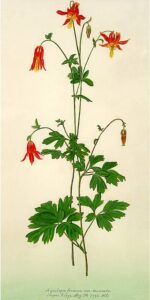
Add easy to plant bulbs to your wildflower areas for carefree early spring color. We also have Native Penstemon and Native Lupine blends as well as many individual species. In the growing season, we offer several native bulbs in containers and a few as bulbs in fall. Many non-native bulbs look like wildflowers and work wonderfully in a wildflower garden. Add some 4” pots of any of the many native perennial wildflowers we offer for some near-instant gratification. A planted native columbine, for example, will produce many flowers and 1000’s of seeds in its first year in the ground while perennial seeds you plant now may not bloom for 3-4 years. As with all of gardening (and life), it is a balance of possibilities, the more effort you expend in preparation, the greater your successes and the less effort you will need in the future. Do what you can, within reason, to increase your odds of success. Or, when the risk is only a couple of bucks, maybe you can afford to play by Nature’s odds now and then. Purchase Seed. -Villager Nursery. Truckee, CA |